Advanced Life Support
ALS
Advanced Life Support equips clinicians with the knowledge and skills to provide urgent care in cardiac emergencies, including cardiac arrest, stroke, and myocardial infarction. Our ALS course is designed to meet Australian Resuscitation Council (ARC) guidelines* for cardiopulmonary resuscitation care.
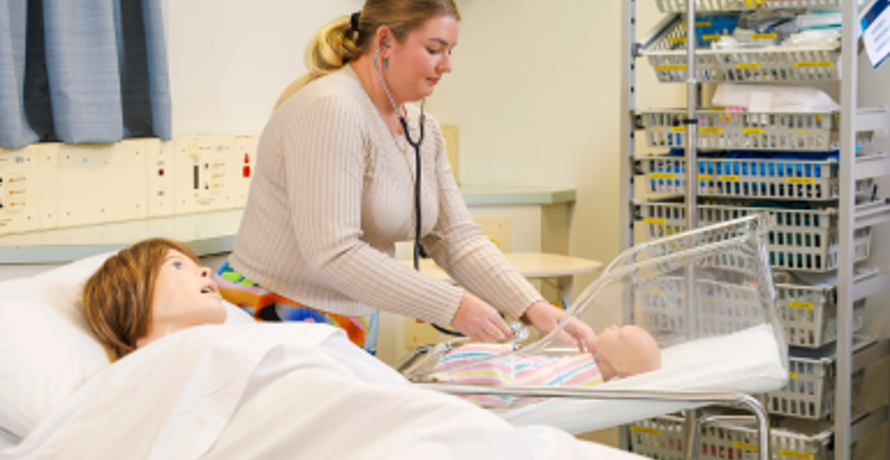
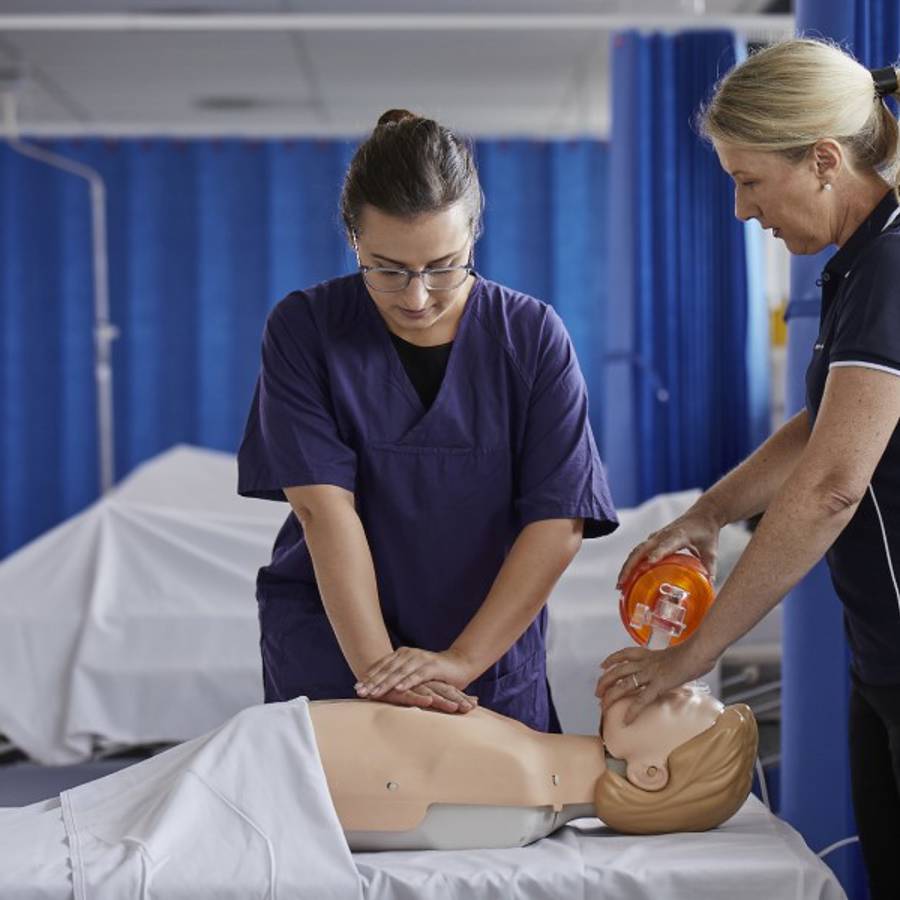
Delivered by our team of highly trained educators, our course employs simulation-based training to consolidate learning and enable real-life application. Training is conducted in our medical simulation facility and facilitated by experts in education and medical simulation.
Our team of educators can build bespoke offerings of this course to suit you and your team's needs. Contact us to learn more.
*Note: not an accredited course centre registered with the ARC.
Who should attend?
This course is designed for healthcare professionals who may not regularly encounter critical events but require advanced life support competency. Please consider your existing level of knowledge and experience before enrolling.
For those who need only Basic Life Support (BLS) or CPR—as commonly required for general practitioners—our team can provide guidance on the most appropriate course to meet your learning needs.
Course information
-
Participants receive online learning at least two weeks before the face‑to‑face session to prepare for the practical components.
The full‑day, eight‑hour face‑to‑face course covers skills and knowledge in the following areas:
- management of the deteriorating patient using structured assessment tools
- advanced airway management
- cardiac rhythm interpretation
- effective and safe defibrillation
- delivery of care in accordance to ARC guidelines and algorithms*
- crisis resource management theory and application through immersive simulation
- emergency drugs, including intraosseous insertion and management
- skill stations and scenario-based learning in a high-fidelity simulation centre
- reflecting on practice
- post-resuscitation care and considerations.
This course has both theoretical and practical assessment components.
*Note: not an Accredited Course Centre registered with the ARC.
-
Royal Australian College of General Practitioners (RACGP)
You are able to self-submit CPD hours through RACGP self-service. -
Duration
8 am - 4.30 pmCost
$450 (incl. GST)
Includes access to course manual via our online learning system, lunch and refreshments.
Related courses
-
 BrisbaneSix and a half hours
Basic Obstetric Skills Stations
Basic Obstetric Skills Stations (BOSS) harnesses Mater Education’s expertise in simulation training, giving you the opportunity to step through a number of common obstetric procedures and get a head start on your skills development.
-
BrisbaneSix hours
Central Venous Access Devices
Gain contemporary, evidence-based skills and knowledge in the use of Central Venous Access Devices (CVADs).